Labour laws arbitrate the connection between workers, trade unions, employing entities, remuneration, conditions of work, industrial relations, and the government. Labour law of the individual concerns employees' rights at work also through the work contract. Law includes social security and disability insurance. In India, parliament passed the four labor codes in the 2019 and 2020 sessions, and these codes will combine 44 existing labor laws.

All over the world, labor law is what we need in India. Labour law provides every person in India got their wage based on the laws. Not only for the wage but also includes a lot of labor-based supports.
The minimum wage act in 1948 provides for fixing minimum wages in certain employments by giving both the central and state governments jurisdiction in fixing wages. The act is legally non-binding but permitted. Minimum wage differs by location, based on the skilled, unskilled, semi-skilled employee, and your position in the company.

The act is suitable for all to employ ten or more than ten persons in mines, plantations, shops, factories, and others. The maternity act, 1961 was mainly passed for paid maternity leave for women. In 2017, increase the maternity leave from 12 weeks to 26 weeks. Who is eligible for the paid leave? A woman who has worked for more than 80 days in the past 12 months in a company or organization is eligible for the paid leaves and, if you have below three months of the baby, are also eligible for the 12 weeks of paid leaves from the date of adoption. Women can take work from home after the state of completion of 26 weeks with the mutual agreement of the employee.
In India, Problems of a growing industry to pay wages to persons employed in the industry. The industrial units were making payments of wages to their workers at regular periods, and wages were not in same. Employer delays your payment every month; the act can come in hand. In 1936 passed the payment of wages act, the employer must pay your wages by the seventh of every month, and if they fail to do so, they can charge with an offense. The payment of wage act regulates the detection from the wages.
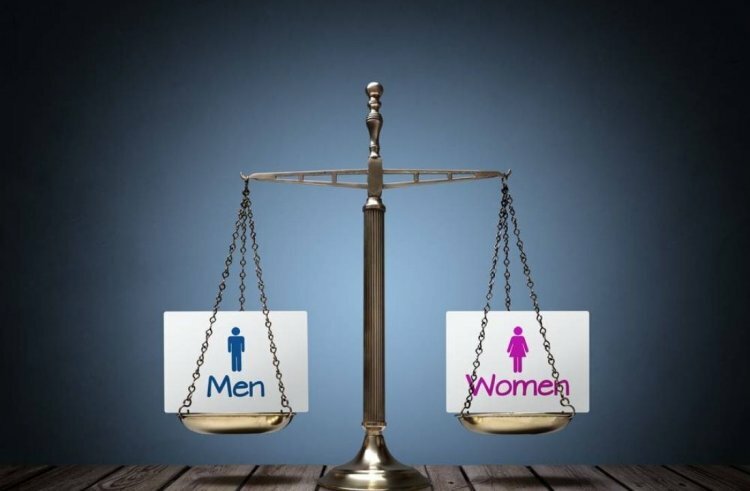
Both the female and male working in the same position. But female earning is less than the male earning and having the same experience; you can well sue your employer. The act of equal remuneration in 1976 for the equal earning of both female and male.

At the workplace, sexual harassment of women acts in 2013. Every Employer needs to create or form a complete internal committee for the injury against the injustice within ninety days from the date of complaint. Sexual harassment results in the violation of the fundamental rights of women to equality under some articles from the constitution of India. This act protects women from harassment in the workplace.
Provident fund act, this act provides retirement saving to the employees. The earlier amount gives up with the employee's fund and interest earned to be tax-free. Recently, now funding donates amount is more than 2.5lakhs/year. Here, the interest excess earned amount will be taxable. This act is extended to the whole of India except the Jammu and Kashmir. New provident act rules are all new money provided to the fund for non-vested portion and investment return allocated. This portion is almost greater than 247500 rupees, and you only take one-third of the cash; the balance will be monthly expensive. Eligibility of this act is monthly salary income less than 15000 INR needs to the member of the EPF. From the transfer of the EPF old employer to the new employer hassle-free to get a UAN (Universal Account Number).
The government provides this scheme for the employee protection of social security in case of on-the-job injuries, sickness, or maternity. The scheme of employee’s state insurance would be understood as the connection of two types of insurance scheme: medical insurance for family and you. This act does not apply in manufacturing like newspapers, cinemas, and so on and the only applicable to shops and restaurants.

This act is obligatory to donate bonuses legally. Bonus act in 1965 provides the minimum bonus of 8.33% of wages to the employees. The salary fixed limit for eligibility of 3500 rupees per month. Eligibility of this act is who drawn the salary below the 10000 or 10000 INR per month and also employee worked not less than 30 days in a year.

Payment of Gratuity act in 1972. According to the act of Gratuity, Indian law makes some industries pay the gratuity to retired employees. This law applied to the suitable position of factories, railways, oilfields, mines, and shops. If we have worked for more than five years in a company and are ready to leave that company, that employee was entitled the receive 15 days of gratuity for every year in the company.

The Labour department regulated the Shop and Establishment act. This act control all the commercial establishment and shops within the state. That state is registered under this act and varies from state to state. There are different types of leaves like sick leave, holiday leave, and casual leave that the government receives in a year. Employees should check the rules to your states.
However, these are some labor laws in India, and every employee should be aware of these all acts. To empower the employees from their good rights.