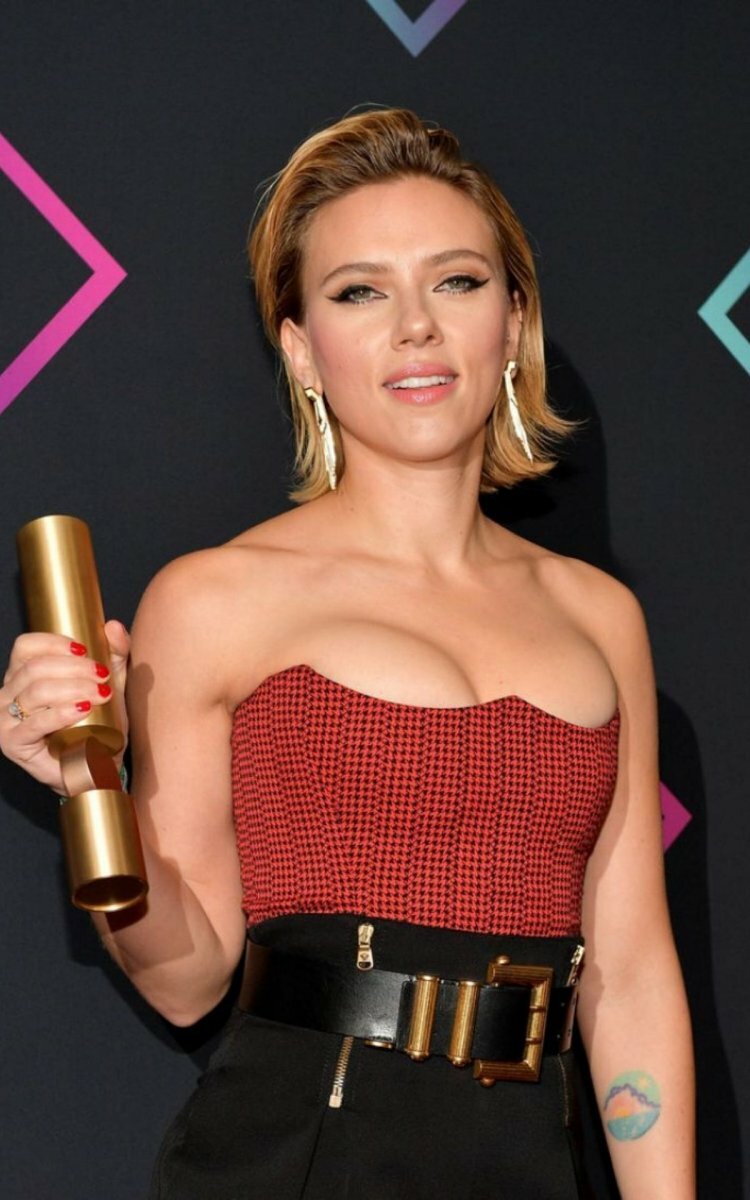
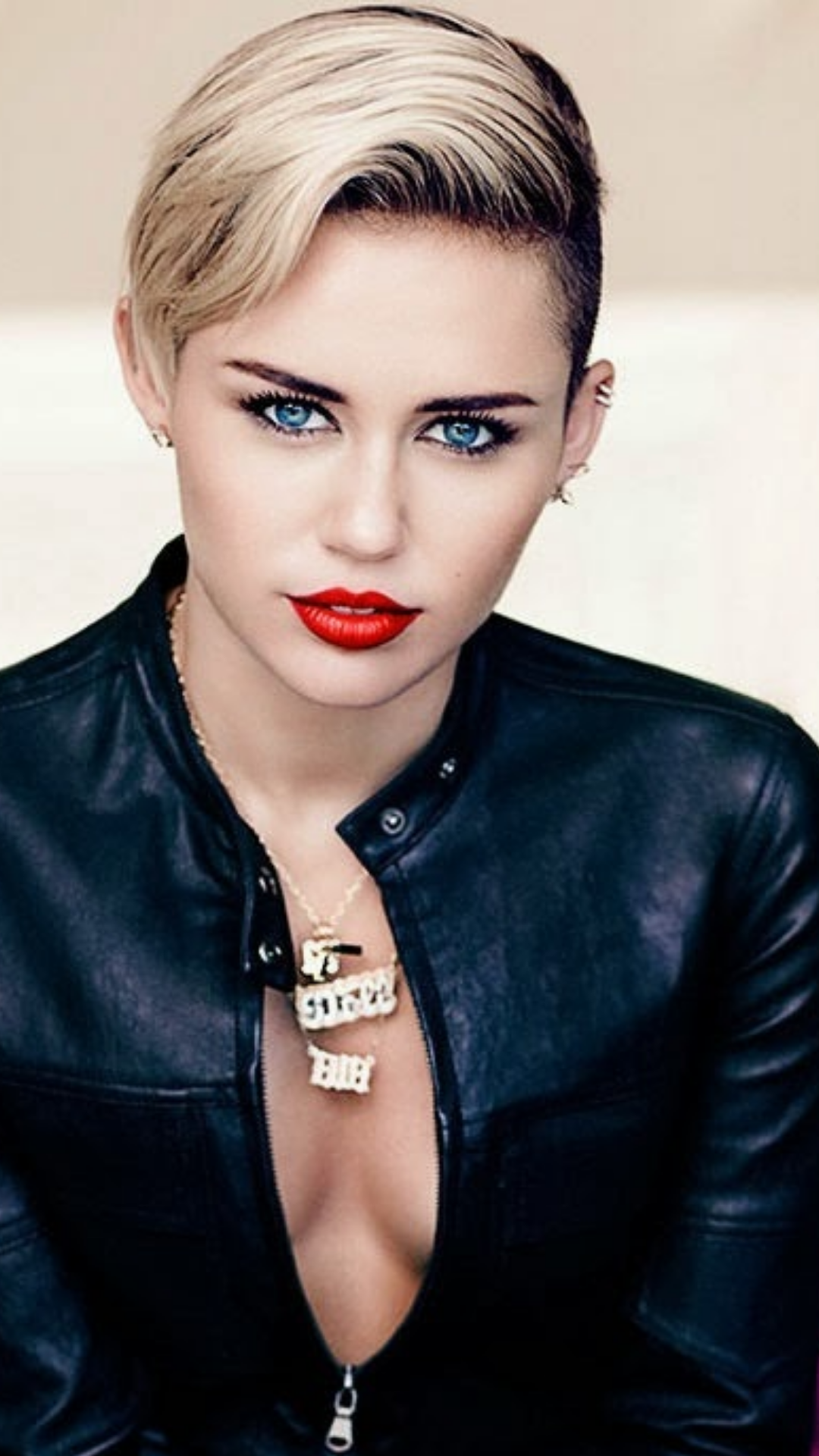
Despite the fact that male tech CEOs have been accused of comparable or worse conduct without facing prosecution, Holmes' story has become a Silicon Valley morality tale - a founder who climbed too high, too quickly.
Let's delve deeper into the specifics to learn more about the three most powerful tech women in 2021.

Haugen joined Facebook because she wanted to contribute to the company's efforts to combat misinformation and other challenges to democracy. Her dissatisfaction deepened as she heard about online falsehoods that fueled violence and abuse – and that Facebook was failing to handle effectively.
So, in the fall of 2021, Haugen, then 37 year old Haugen, went public with a cache of Facebook papers detailing how her former employer failed to protect teenage users from body image issues while also promoting online hatred and extremism. Her research also exposed the algorithms used by Big Tech to modify material to keep people hooked on its services.
Although Facebook, which has now changed its name to Meta Platforms, has challenged Haugen's claims, it has not pointed to any factual inaccuracies in her public pronouncements. Instead, the firm stresses the massive sums it claims to have invested in safety since 2016, as well as data showing success against hate speech, incitement to political violence, and other social problems.
Haugen was in a great position to drop her bombshell. She assisted in the creation of an online dating platform that later became the dating app Hinge while a graduate business student at Harvard. She worked with Google to make thousands of books available on mobile devices and to launch a nascent social network. Over the course of 15 years, Haugen's creative restlessness flipped her through many roles at Google, Yelp, Pinterest, and, of course, Facebook, where she was hired in 2018.
Although there has been no real action in the United States as a result of Haugen's discoveries, it has energised worldwide policymakers aiming to reign in Big Tech. Facebook attempted to alter the subject by announcing its new company name and emphasising its dedication to establishing the "metaverse," an immersive technology platform.
Haugen relocated to Puerto Rico last year, where she claims she can enjoy anonymity that she couldn't find in northern California. "I don't like being the focus of attention," she told a sold-out audience in Europe in November.
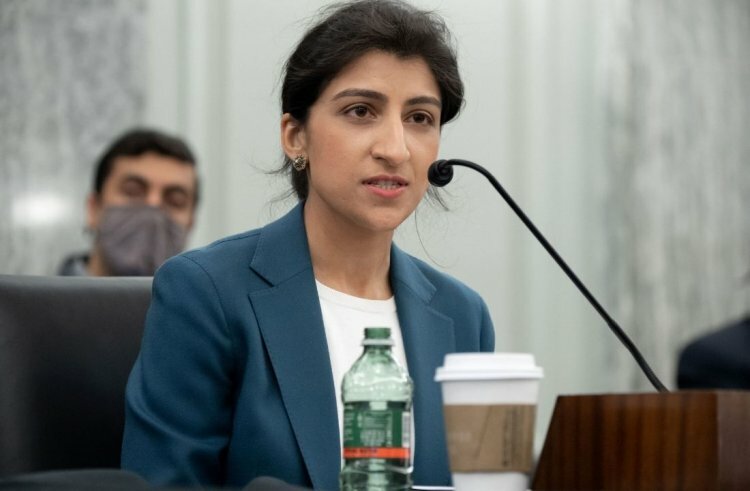
Lina Khan, an intellectual outsider with bold new ideas and a far-reaching agenda that ruffled institutional and business feathers, faced a similar situation. In June, President Joe Biden shocked official Washington by appointing Khan, an outspoken critic of Big Tech who was teaching law at the time, to lead the Federal Trade Commission. This indicated a harsh attitude by the government toward the tech behemoths Meta, Google, Amazon, and Apple.
Khan is the agency's youngest chairperson in its 106-year history, overseeing competition, consumer protection, and digital privacy. She was an unusual choice, as she had no prior administrative experience or knowledge of the agency, except from a brief time as a legal consultant to one of the five commissioners in 2018.
She did, however, bring academic heft and political clout. Khan's research work as a Yale law student, "Amazon's Antitrust Paradox," rocked up the antitrust world in 2017, and helped develop a new way of looking at antitrust law.
Antitrust law has long defined anticompetitive behaviour as market domination that raises prices, a concept that does not apply to many "free" technology services. Khan, on the other hand, argued for a more comprehensive examination of the effects of corporate concentration on industries, employees, and communities. That school of thought, nicknamed "hipster antitrust" by its critics, appears to have influenced Biden significantly.
Khan was born in London and moved to the New York City region with her family when she was 11 years old. She worked as a policy analyst at the leftist think tank New America Foundation for three years after graduating from college before heading to Yale.
The FTC has intensified its antitrust case against Facebook in federal court and launched a competition inquiry against Amazon during Khan's six-month tenure. The agency filed a lawsuit to stop Nvidia from buying chip creator Arm for $40 billion, claiming that the combined business will hinder the development of innovative technology.
Racial bias in algorithms and market-power abuses by dominant tech businesses are among Khan's top targets in his aggressive investigation and enforcement agenda. Internally, some workers have objected to administrative reforms that have increased Khan's policymaking authority, and one Republican commissioner has publicly chastised Khan.
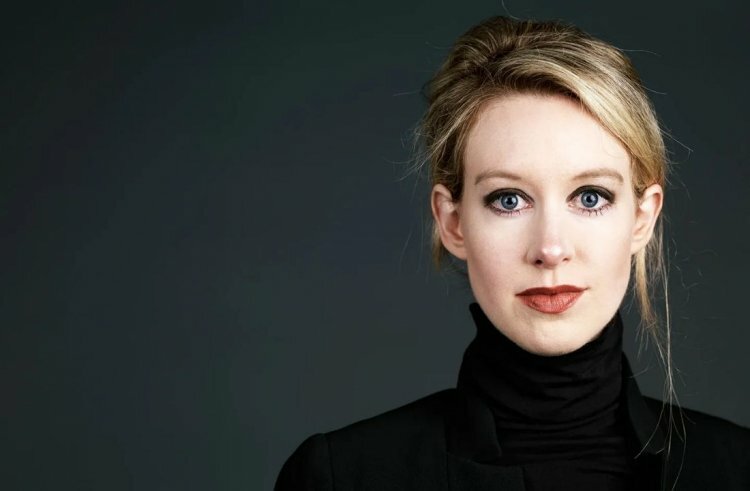
When Holmes was 19, she dropped out of Stanford to pursue a daring, humanitarian concept and created Theranos. Holmes, who seemed to have bottomless networking chutzpah, hailed Theranos' blood-testing technology as a breakthrough that could screen for hundreds of medical disorders with just a few drops of blood.
Holmes had raised hundreds of millions of dollars for her company by 2015, 11 years after leaving Stanford, bringing its market value to $9 billion. Holmes inherited half of it, earning her the title of world's youngest self-made female millionaire at the age of 30.
Theranos, on the other hand, fell in a scandal just three years later. Following a three-and-a-half-month federal trial, a jury is considering criminal fraud and conspiracy charges against Holmes for allegedly defrauding investors and patients by concealing the knowledge that the blood-testing device was prone to wild errors. Holmes, now 37, faces a maximum sentence of 20 years in jail if convicted.
Holmes was a competitive prodigy when he was younger, publicly aspiring to amass a large fortune. She began learning Mandarin Chinese with a tutor when she was nine years old, and during her sophomore year of high school, she talked her way into summer language studies at Stanford.
She accepted the remaining of her tuition money as a share and dropped out of college to run her company in her sophomore year.
Some regarded Holmes as the new Steve Jobs as Theranos rose to prominence. Rupert Murdoch, the media mogul, and the Walton family of Walmart were among the investors who helped Theranos fund more than $900 million.
In 2016, a succession of Wall Street Journal articles and a federal regulatory investigation revealed a pattern of substantially erroneous blood results in tests performed on Theranos devices, shattering the company's fairy-tale success.
The Holmes trial has revealed in graphic detail Silicon Valley's "fake it 'til you make it" attitude. Prosecutors had to prove that Holmes' boosterism crossed the line into fraud because tech entrepreneurs are prone to overpromising and exaggerating.