Criticism of Mother Teresa
Published on August 26, 2022 11:49 AM by FACTSWOW Team
About Mother Teresa
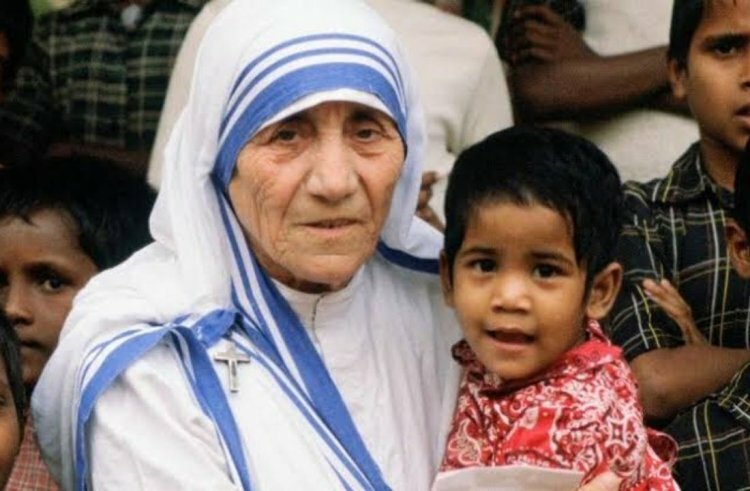


Anjez Gonxhe Bojaxhiu, a Catholic nun and missionary better known as Mother Teresa. As of 2016, Saint Teresa of Calcutta experienced conflicting responses to her work from notable individuals, nations, and nations and organizations. Numerous debates surrounded her methods as well as those of the Missionaries of Charity, the organization she created. These include criticisms of the caliber of the medical care they offered, claims that certain deathbed baptisms amounted to forced conversion, allegations of connections to racism and colonialism, and relationships with dubious public figures. The Vatican's decision to disregard the complaints and the huge amounts of money donated to her is also at the center of the debate.
Who creates the critical British Channel 4?
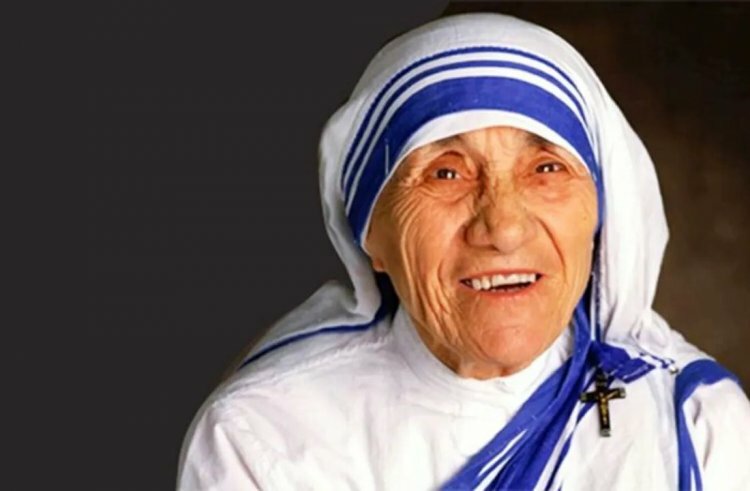
Group Chatterjee, an Indian novelist, and physician who, for a brief period, worked in one of Mother Teresa's homes, looked into the financial and other procedures of Teresa's order. Based on Chatterjee's work, two British journalists, Tariq Ali and Christopher Hitchens created the critical British Channel 4 documentary Hell's Angel in 1994. The Missionary Position: Mother Teresa in Theory and Practice, written by Hitchens the following year, echoed many of the charges made in the documentary. In 2003, Chatterjee released The Final Verdict, a study that was as critical of Teresa's operations but less inflammatory than those by Hitchens and Ali. Hitchens continued to criticize Teresa in 2003, following the beatification of Teresa by Pope John Paul II, labeling her "a zealot, a fundamentalist, and a phony."
He also criticized
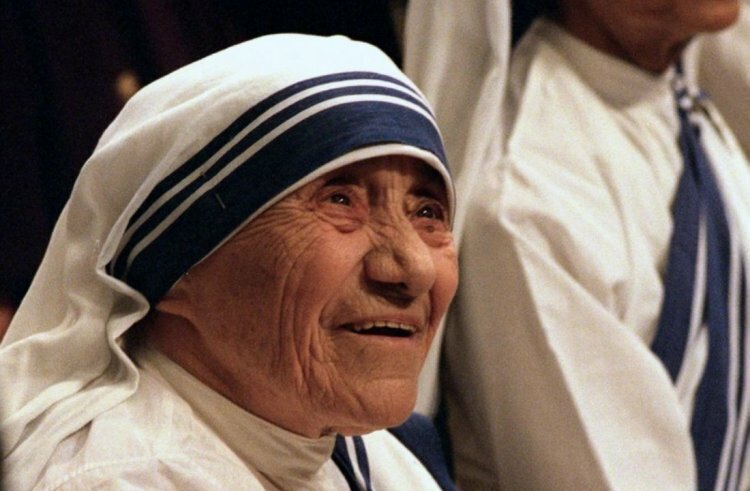
He also criticized the Catholic Church for blaming a patient's recovery on a miracle and disregarding the patient's doctor's evidence that modern medicine was to blame for the patient's recovery. The Vatican summoned Chatterjee and Hitchens to provide evidence against Teresa during her canonization process.
Visiting the home for Dying Destitutes
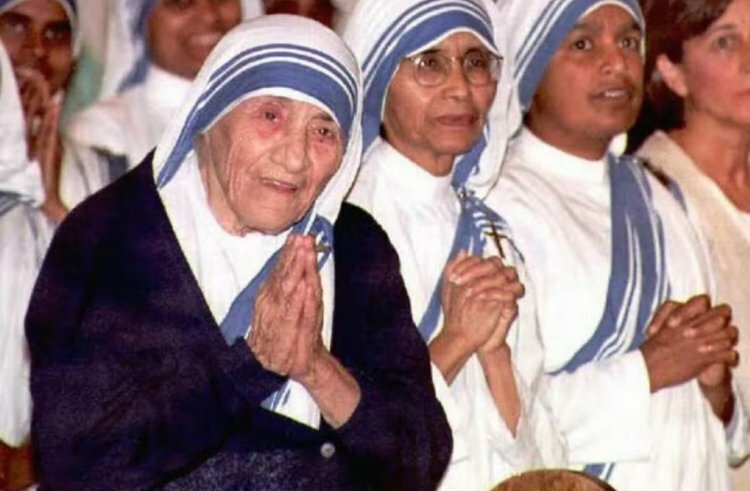
When visiting the Home for Dying Destitutes in Calcutta (now Kolkata) in 1994, Robin Fox, then editor of the British medical publication The Lancet, called the patients' medical care haphazard. He noted that because there were few doctors in the hospice, sisters, and volunteers—some of whom had no medical training—often made decisions regarding patient care. Fox wrote: Some doctors call in from time to time, but usually the sisters and volunteers (some of whom have medical knowledge) make decisions as best they can.
Published on August 26, 2022 11:49 AM by FACTSWOW Team